
 With Air Charter Service, you can fly higher. Private jets can cruise at 40,000-51,000 feet, above commercial traffic and weather, for a faster, smoother, and more efficient journey. This altitude advantage is a key benefit of private jet travel.


How high can private jets fly?
How high can a jet fly? It depends on the specific aircraft, but a private jet can fly at altitudes significantly higher than those of commercial airliners. We delve into the maximum cruising altitudes of different aircraft and explore the factors affecting private jet altitudes. Plus, we explain why the ability to reach higher altitudes is a key advantage of a private jet flight.
What altitude do private jets fly at?
When it comes to private jet vs. commercial plane altitude, private jets typically fly much higher. While most commercial airliners cruise between 30,000 and 40,000 feet, many private jets have a higher aircraft cruise altitude, which varies depending on the jet's model and capabilities. For instance, smaller light jets can reach up to 45,000 feet, while high-performance jets are certified to fly at an impressive 51,000 feet.
This capability enables them to fly above most weather and air traffic, resulting in a smoother and more efficient journey. By flying above commercial traffic, private jets can take more direct and efficient routes. This not only leads to faster travel times but also reduces the chance of delays caused by air traffic control.
Factors affecting private jet altitudes

Several factors determine the cruising altitude for a private jet flight. Key considerations, such as air traffic, weather, and fuel efficiency, all influence the pilot's decisions. Here are the key considerations that determine the altitude at which jets fly.
1. Aircraft specifications
The first factor that affects the altitude at which a private jet will fly is the aircraft’s specifications. Knowing the limits of the plane, the pilot can help ensure that an optimal flight height is used for the journey.
2. Air traffic and spacing
Airspace congestion, especially in busy areas or during peak travel times, can restrict access to certain altitudes. Pilots prioritize reliable and efficient operations by choosing an altitude that allows for the appropriate distance between aircraft.
3. Weather conditions
Turbulence, strong winds, and adverse weather patterns at certain altitudes can impact the comfort of the flight. Pilots may choose a different cruising altitude in order to ensure a smoother and more enjoyable experience for passengers.
4. Mission requirements
The intended distance of the trip, fuel efficiency, and the specific needs of the passengers all shape the flight path and the cruising altitude. For shorter trips, a jet might not ascend to its maximum altitude, as it would need to descend shortly after reaching the peak. For longer flights, a higher altitude might be more fuel-efficient, and as a result, that would extend the aircraft's range.
If passengers have specific health considerations, such as respiratory issues, pilots might opt to fly at lower altitudes to maintain a more comfortable cabin pressure.
5. Accessibility to airports with altitude restrictions
Another factor influencing the cruising altitude of private jets is access to certain airports. Some airports, particularly those nestled in mountainous regions or areas with airspace restrictions, may have altitude limitations. Flying at lower altitudes can provide a strategic advantage in these cases, allowing the jet to smoothly transition into the airport's airspace.
The advantages of flying at higher altitudes
Here are two key advantages of flying at higher altitudes:
Turbulence reduction
Flying at higher altitudes offers a significant advantage in terms of reduced turbulence. Turbulence is caused by atmospheric conditions and air currents, which can be unsettling for passengers and affect their sense of comfort during the flight. By flying at higher altitudes, private jets can often avoid or minimize turbulence, providing a smoother and more enjoyable journey for those onboard.
Interestingly, higher altitudes also allow jets to fly above weather systems, such as certain storm clouds or turbulent weather patterns, which are more commonly experienced at lower altitudes.
Fuel efficiency
In addition to reduced turbulence, jets benefit from improved fuel efficiency at higher altitudes. Altitude affects the air density, and the air is thinner at higher altitudes. Thinner air creates less drag on the aircraft, allowing it to operate more efficiently and consume less fuel. Private jet owners and operators appreciate this advantage since it reduces operational costs.
High flying private jets
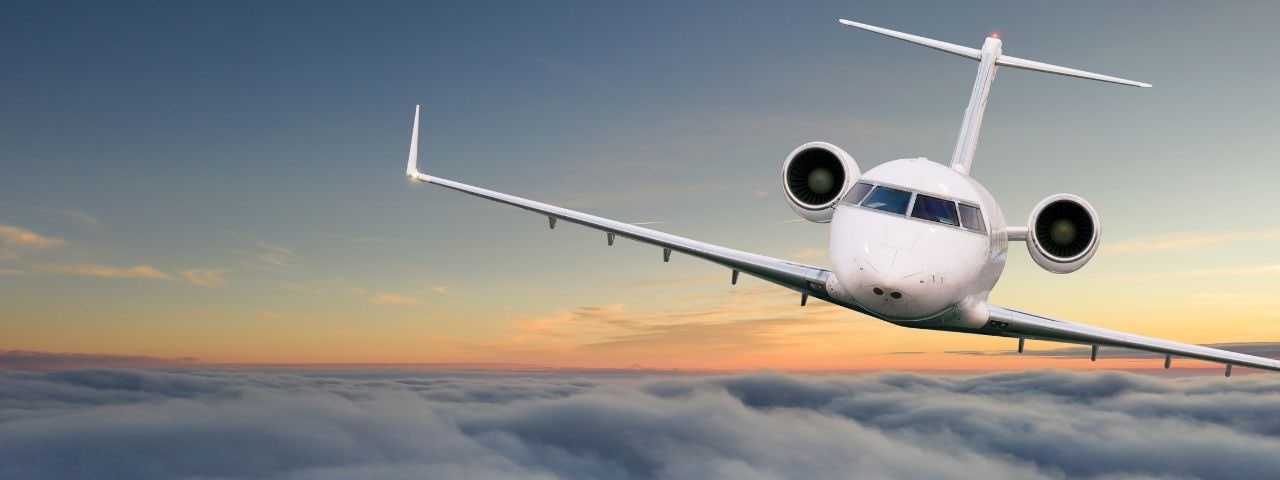
The title of the highest flying private jet goes to multiple models. Let's take a closer look at the altitude capabilities of these jets.
Gulfstream G650ER
The Gulfstream G650ER boasts the longest range of any business jet. It’s capable of reaching an impressive maximum altitude of 51,000 feet, well above the cruising altitude of commercial airlines. Despite its ability to reach such spectacular heights, it typically operates at a cruising altitude of around 41,000 feet.
Bombardier Global 7500
The Bombardier Global 7500 is another giant in the private jet industry, known for its extraordinary long-range capabilities. It can climb to a maximum altitude of 51,000 feet, putting it on par with the Gulfstream G650ER. It has an initial cruise altitude of 43,000 feet.
Cessna Citation X+
The Cessna Citation X+ is one of the fastest civilian aircraft in the world. While its speed is a significant selling point, its altitude capabilities are equally inspiring. The Citation X+ can soar to a maximum altitude of 51,000 feet, matching the likes of the Gulfstream G650ER and Bombardier Global 7500. In terms of cruising altitude, the Citation X+ typically flies at about 43,000 feet.
The highs of private jet charter
Ready to experience the ultimate in luxury and convenience? When you choose to fly private, a private jet charter with Air Charter Service (ACS) provides a premium travel experience with personalized service and exclusive amenities. Our dedicated team at The Travel Division at Air Charter Service can also provide tailored solutions for your unique on-the-ground travel needs. To start planning your next journey and discover the benefits of flying with us, please contact us today.